The Gambler's Fallacy
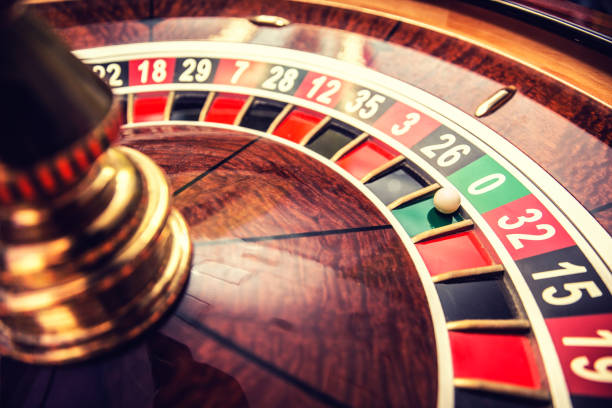
One of the most pervasive myths in the gambling world is the gambler's fallacy, which suggests that past outcomes affect future results in games of chance. For instance, if a roulette wheel lands on red several times in a row, many players believe black is "due" to hit next. This misconception arises from a misunderstanding of probability. In reality, each spin of the wheel is independent, meaning the odds remain unchanged regardless of previous outcomes.

This fallacy is particularly prevalent among novice gamblers who may be swayed by the seemingly streaky behavior of games like slots or roulette. The belief that one can "outsmart" the game by predicting patterns leads to misguided betting strategies. Instead, players should understand that every spin or deal has the same odds, and relying on past results can lead to significant financial losses. stake casino app
Understanding the gambler's fallacy is crucial for anyone looking to gamble responsibly. By acknowledging that luck and chance are the only factors influencing outcomes, players can make more informed decisions. This knowledge can help one enjoy gambling as a form of entertainment rather than a way to make money, reducing stress and potential losses.
Certain Games Are "Hot" or "Cold"
Many players believe that certain casino games are either "hot" or "cold," suggesting that some games are currently favorable while others are not. This myth often leads players to abandon tables or machines that they deem "cold" and flock to those perceived as "hot." However, like the gambler's fallacy, this belief is misleading and not rooted in statistical reality.
The notion of "hot" and "cold" games often arises from personal experiences or observations rather than actual data. In a game like slots, each spin is entirely independent, governed by a random number generator. Thus, the results of prior spins do not impact future outcomes. The idea that one can predict better chances based on past performance can create a false sense of confidence and lead to poor gambling choices.
The House Always Wins
A common saying in gambling circles is "the house always wins," which implies that players are doomed to lose over time. While it is true that casinos are designed to have a mathematical advantage, this doesn't mean that every player will inevitably lose. Some players can and do walk away with winnings, particularly when they employ smart strategies and manage their bankroll effectively.
The house edge varies significantly from game to game. For example, blackjack can offer a lower house edge when players use optimal strategies, potentially allowing them to win more often compared to games like slot machines, which typically have a higher house edge. Knowledge of these differences can empower players to choose games that suit their skills and risk tolerance, increasing their chances of success.
Moreover, gambling should be viewed primarily as a form of entertainment rather than a reliable source of income. While the house advantage does exist, players who gamble for fun, set limits, and play responsibly can enjoy a thrilling experience without succumbing to the belief that they are always destined to lose. The key lies in enjoying the game, knowing when to walk away, and acknowledging the entertainment value of gambling.
The "Best" Time to Play
Another myth prevalent among casino enthusiasts is the belief that there is a "best" time to play certain games, usually tied to the idea that casinos are busier or less busy during specific hours. Some players think that gaming machines will pay out more when they are less crowded, or conversely, that peak times bring bigger payouts due to increased activity. However, this is a misconception driven by superstition rather than fact.
In truth, payout rates for slot machines and other games are determined by their programming and remain constant throughout the day. Casinos often set their machines to have a specific payout percentage, which means that players can expect the same odds regardless of the time of day. The fluctuations in player activity do not alter the fundamental mechanics behind the games, making the concept of "best" times irrelevant.
Understanding that luck is the only element that can sway outcomes can help players focus less on timing and more on responsible gambling practices. Instead of worrying about when to play, players should consider enjoying the experience at their convenience while remaining aware of their betting limits and gaming habits. This mindset fosters a more positive and enjoyable gambling experience.
Exploring Online Gaming and Myths
The rise of online casinos has introduced a new layer of myths that continue to pervade the gambling landscape. Many players believe that online games are rigged or unfairly designed to ensure the house always wins, creating an atmosphere of distrust. However, reputable online casinos operate under strict regulations and use certified random number generators to ensure fair play and transparency.
Players often overlook the fact that online casinos are subject to extensive licensing requirements, which mandate regular audits to confirm the fairness of their games. Additionally, the competitive nature of the online gaming industry compels operators to maintain their reputations, ensuring that they provide fair and enjoyable experiences for their users. Understanding the regulations surrounding online gaming can help dispel myths of unfair practices and enhance player confidence.
Moreover, platforms like the Stake Casino App are designed with user experience in mind, offering a wide variety of games with secure transactions and reliable customer support. These features can provide players with peace of mind, allowing them to focus on enjoying the gaming experience rather than dwelling on unfounded myths. By embracing the truth about online gaming, players can take full advantage of the myriad opportunities available in the digital gambling realm.